Save Japanese nuclear workers by collecting their stem cells
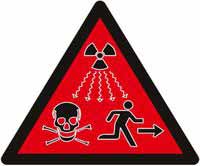 the solution is not perfect, the team admits. High exposure to radiation would also attack cells in the gut, skin or lung — problems a stem cell transplant could not fixYet, with containment and clean-up efforts at the damaged plant expected to drag on for months or even years, Tanimoto and Taniguchi say taking steps to protect the workers’ from future harm is paramount.
Banking stem cells could save Japan nuclear workers By Julie Steenhuysen CHICAGO Apr 14, 2011 (Reuters) – Health officials should collect blood from workers at the crippled Fukushima Daiichi nuclear power plant in case they are accidentally exposed to high levels of radiation and need a stem cell transplant, Japanese researchers said on Thursday.
They said gathering blood from the workers would give them a ready source of their own stem cells that could help rebuild their bone marrow should they become exposed to high levels of radiation.
“The danger of a future accidental radiation exposure is not passed, since there has been a series of serious aftershocks even this April,” Dr Shuichi Taniguchi of Toranomon Hospital in Tokyo and Dr Tetsuya Tanimoto of the Japanese Foundation for Cancer Research wrote in the Lancet medical journal…..
The researchers say transplant teams are standing by in Japan and Europe to collect and store the nuclear workers’ cells, but so far the Nuclear Safety Commission of Japan is balking because it would cause a “physical and psychological burden for nuclear workers,” the team wrote.
Collecting cells from the workers has several advantages over donated cells, which require finding a matching donor and carry the risk of rejection.
Stem cell transplants from a person’s own cells would allow the workers to avoid taking drugs to suppress the immune system, helping them to better resist infections. The cells could quickly restore normal function to the body’s machinery for making blood cells.
And the workers’ cells could be banked and stored in case they develop leukemia, which could happen years down the road.
But the solution is not perfect, the team admits. High exposure to radiation would also attack cells in the gut, skin or lung — problems a stem cell transplant could not fix
Yet, with containment and clean-up efforts at the damaged plant expected to drag on for months or even years, Tanimoto and Taniguchi say taking steps to protect the workers’ from future harm is paramount… Banking stem cells could save Japan nuclear workers | Reuters
No comments yet.
1 This Month


Tell the Ukrainian Government to Drop Prosecution of Peace Activist Yurii Sheliazhenko

Petition to revoke the licensing of the Near Surface Nuclear Disposal Facility (NSDF) at Chalk River. https://www.ourcommons.ca/petitions/en/Petition/Details?Petition=e-7247


of the week – STOP SMALL MODULAR REACTORS IN CANADA
To see nuclear-related stories in greater depth and intensity – go to https://nuclearinformation.wordpress.com
-
Archives
- March 2026 (204)
- February 2026 (268)
- January 2026 (308)
- December 2025 (358)
- November 2025 (359)
- October 2025 (376)
- September 2025 (258)
- August 2025 (319)
- July 2025 (230)
- June 2025 (348)
- May 2025 (261)
- April 2025 (305)
-
Categories
- 1
- 1 NUCLEAR ISSUES
- business and costs
- climate change
- culture and arts
- ENERGY
- environment
- health
- history
- indigenous issues
- Legal
- marketing of nuclear
- media
- opposition to nuclear
- PERSONAL STORIES
- politics
- politics international
- Religion and ethics
- safety
- secrets,lies and civil liberties
- spinbuster
- technology
- Uranium
- wastes
- weapons and war
- Women
- 2 WORLD
- ACTION
- AFRICA
- Atrocities
- AUSTRALIA
- Christina's notes
- Christina's themes
- culture and arts
- Events
- Fuk 2022
- Fuk 2023
- Fukushima 2017
- Fukushima 2018
- fukushima 2019
- Fukushima 2020
- Fukushima 2021
- general
- global warming
- Humour (God we need it)
- Nuclear
- RARE EARTHS
- Reference
- resources – print
- Resources -audiovicual
- Weekly Newsletter
- World
- World Nuclear
- YouTube
-
RSS
Entries RSS
Comments RSS
 nuclear-news
Leave a comment