Risk of new explosion at Fukushima, -gas being pumped in
Experts say the risk of a detonation could rise as the nuclear fuel rods cool and as the steam inside the containment vessel condenses into water, reducing pressure inside the unit and drawing air in through cracks.
Japan using gas to avoid explosion at nuclear plant, THE STRAITS TIMES, Apr 7, 2011 Japan using gas to avoid explosion at nuclear plantTOKYO – WORKERS at Japan’s stricken nuclear plant on Thursday pumped nitrogen gas into a crippled reactor in a bid to contain the world’s worst atomic accident for 25 years and prevent a possible explosion. Continue reading
Anti nuclear enthusiasm brings political triumph to Germany’s Green Party
German Greens surge on anti-nuclear fervour, FT.com, By Gerrit Wiesmann in BerlinPublished: April 6 2011 Anti-nuclear sentiment and regional election triumphs have helped Germany’s Greens to unprecedented popularity, according to a poll which puts them ahead of the Social Democrats and just shy of the ruling Christian Democrats.Forsa, the polling group, on Wednesday said the Greens gained seven points since the Baden-Württemberg March election at the end of March to hit a record 28 per cent – enough to lead a “green-red” government with the Social Democrats.
The result beats the Greens’ previous record of 25 per cent in a Forsa poll, which they achieved last autumn …FT.com / Europe – German Greens surge on anti-nuclear fervour
In USA renewable energy climbing, nuclear going down
Surging Renewable Sector Pulls Even With Nuclear Power in U.S. OnEarth Magazine By Douglas Fischer April 6, 2011 Declining nuclear power and a strengthening renewable fuels sector have left the two energy sources neck-and-neck for their share of U.S. energy production, according to the most recent figures from the U.S. Energy Information Administration.
The percent of domestic energy production obtained from renewable fuels — biomass, geothermal, solar, wind and water — rose to 10.9 percent last year, up from 10.6 percent in 2009. Meanwhile nuclear energy dipped from 11.5 percent in 2009 to 11.3 percent in 2010……The data were compiled before the 9.0 temblor and subsequent tsunami devastated Japan’s Fukushima nuclear power plant and cast doubts on nuclear power worldwide….
Nuclear plant for sale – but no buyers
Hey, Wanna Buy a Nuclear Power Plant? – The Source – WSJ, 6 April 11, “………Nestled on the bank of the Isar river, there’s an unusual piece of real estate for sale in Bavaria. It’s the Isar II nuclear energy plant, or at least a 25% stake in it, for sale by Stadtwerke Muenchen, Munich’s regional utility.
SWM has in fact been trying to sell its stake in Isar II since the 1990s, but without success. In the early 2000s, the utility published an international call for bids in the Financial Times, a spokesman said, but that also did not end in a sale, and the utility appears to be saddled with the power plant until it becomes obsolete.
“With the future of nuclear energy totally uncertain [in Germany], there’s no buyer who would go into such a deal blind,” said Ingo Becker, an energy analyst at Kepler Capital Markets……investors are unable to assess the potential value of the plant.
On top of that, in the wake of Fukushima, the fact that nuclear power plants can’t be insured has made investors take an even more sober view of the industry…..Hey, Wanna Buy a Nuclear Power Plant? – The Source – WSJ
Citizens battle to save Grand Canyon from uranium mining
Razing Arizona? Citizens Fight to Protect the Grand Canyon from Uranium Mining, Change.org News by Jess Leber · April 04, 2011 Every year, 5 million tourists from all over the world flock to the Grand Canyon in Arizona, where they can view 2 billion years of geologic history in its glory.
Today, this national landmark is under threat. Continue reading
Serious threats remain at Fukushima nuclear plant
New Dangers Emerge at FukushimaA confidential document includes new information about the damage at the plant, and new threats. Technology review, Kevin Bullis 04/06/2011 A confidential Nuclear Regulatory Commission document obtained by the New York Times details serious threats still facing workers at the severely damaged Fukushima nuclear plant, as well as previously undisclosed details about what has happened at the plant so far. Ordinarily, fuel in a nuclear plant cools to the point that it is easy to manage within several days after the reactor is shut down. But difficulty circulating water and damage to the fuel rods suggest keeping them cool could be a challenge for months….
New Dangers Emerge at Fukushima – Technology Review
Fish off Japan found to contain radioactive Cesium
Toxic caesium found in fish off Japan, ABC News (Australian Broadcasting Corporation), By North Asia correspondent Mark Willacy, 7 April 11 Traces of radioactive caesium have been found for the first time in fish off Japan’s east coast.
It is believed the contamination came from overheated fuel rods at the crippled Fukushima nuclear plant. Continue reading
Inadequate radiation monitoring in USA
.. elevated levels of iodine-131 in rain “a red flag” for public health and said that he is concerned that the Nuclear Regulatory Commission, which has less stringent radiation exposure guidelines, has superseded the EPA in US response activities……
Adequacy of EPA radiation monitoring system called into question | Michigan Messenger, 6 April 11, Data from the U.S. Environmental Protection Agency’s network of radiation monitors does not reach the public quickly and some monitors are not functional, critics say. Continue reading
Two days after Fukushima disaster TEPCO planned 2 new reactors there
Tepco announced last week that four reactors at the centre of the crisis will never go back into service. At the same time, however, it submitted a report to the Ministry of Economy, Trade and Industry that included a proposed timetable for the construction and commissioning of two new reactors – No. 7 and No. 8 – at the same complex….
Power company back pedals over reactor plans, Sydney Morning Herald, Andrew Higgins April 7, 2011, FUKUSHIMA: Even as it struggled to contain the world’s worst nuclear disaster in a quarter of a century, Tokyo Electric Power Company late last month quietly set out big plans for the future: it proposed building two new nuclear reactors at its radiation-spewing Fukushima Daiichi power plant. Continue reading
concerns about USA nuclear plants safety
UPDATE 3-Democrats probe worst fears for U.S. nuclear power WASHINGTON, April 6 (Reuters) By Roberta Rampton and Ayesha Rascoe– Democratic lawmakers raisedconcerns on Wednesday about whether regulators and the nuclear power industry are doing enough to ensure U.S. reactors can withstand worst-case scenarios in the wake of Japan’s crisis. Continue reading
The oceans – a great idea for a radioactive toilet

Christina Macpherson's websites & blogs
Time was when Europeans emptied their toilet pans out of windows, into the street.
Now we think that’s disgusting. But – now no problem with the oceans. We’ve been dumping sewage, plastics and all sorts of rubbish into the seas for decades.
Now – the ultimate insult to the oceans – it’s OK to dump radioactive water. This could be a precedent for future nuclear waste problems. I’m sure that the nuclear establishment will be happy with that – if we are.
In USA EPA prepares to allow more radioactivity to be called “safe”
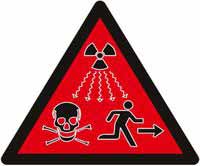 The radiation guides called Protective Action Guides or PAGs are protocols for responding to radiological events ranging from nuclear power-plant accidents to dirty bombs.
Drinking water, for example, would have a huge increase in allowable public exposure to radioactivity,
 Group warns EPA ready to increase radioactive release guidelines | The Tennessean | tennessean.com, Anne Paine, 17 March 11, EPA is preparing to dramatically increase permissible radioactive releases in drinking water, food and soil after “radiological incidents,” according to Public Employees for Environmental Responsibility.What is termed a guidance that EPA is considering – as opposed to a regulation – does not require public airing before it’s decided upon. Continue reading
Even if people do accept nuclear power, it’s still not affordable
So while nuclear power does return net energy and while it may be true that public opposition to nuclear power will fall, it probably won’t matter – because no society in an energy decline, with declining fossil fuel resources, can afford to front-load a decade or two decades of energy in fossil fuels into a plant.
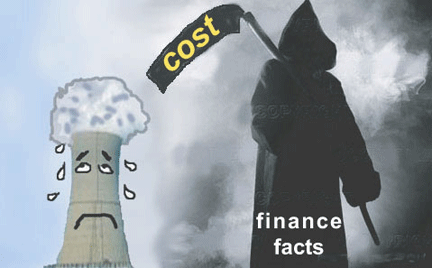
Fukushima and the Future of Nuclear Power : Science Blogs, Casaubon’s Book, April 1, 2011 , by Sharon Astyk“………More than any other kind of energy generation, nuclear frontloads its energy costs dramatically – reliable estimates vary from as low as 12 years before they produce more energy than went into building them to as high as 20. The upfront plant building costs are also vastly higher than for coal, natural gas or any other source. Continue reading
Nuclear establishment’s bogus talk of “safe” radiation
 radiation from a meltdown in the reactor core of reactor No. 2 is leaking out into the water and soil, with other reactors continuing to experience problems. Yet scientists and activists question these government and nuclear industry “safe” limits of radiation exposure….all this talk about what a worker or the public can withstand on a yearly basis is bogus. There is no safe level of radiation exposure. These so-called safe levels are coming from within the nuclear establishment.”
‘No safe levels’ of radiation in Japan, Al Jazeera 5 April 11, Experts warn that any detectable level of radiation is “too much”. “…..water that is vastly more radioactive continues to gush into the ocean through a large crack in a six-foot deep pit at the nuclear plant. Over the weekend, workers at the plant used sawdust, shredded newspaper and diaper chemicals in a desperate attempt to plug the area, which failed. Water leaking from the pit is about 10,000 times more radioactive than water normally found at a nuclear plant Continue reading
Growing volumes of radioactive water entering the ocean from Fukushima nuclear plant
 Chief Cabinet Secretary Yukio Edano said officials were growing concerned about the sheer volume of radioactive materials spilling into the Pacific. It is not clear how much water has leaked in addition to what is being dumped purposely…….”Even if they say the contamination will be diluted in the ocean, the longer this continues, the more radioactive particles will be released and the greater the impact on the ocean,..”
Japan nuke plant dumps radioactive water into sea – seattlepi.com, MARI YAMAGUCHI, YURI KAGEYAMA, April 4, 2011“………More water keeps pooling because TEPCO has been forced to rely on makeshift methods of bringing down temperatures and pressure by pumping water into the reactors and allowing it to gush out wherever it can. It is a messy process, but it is preventing a full meltdown of the fuel rods that would release even more radioactivity into the environment. Continue reading
1 This Month

of the week – Shut Down Drone Warfare!


Tell the Ukrainian Government to Drop Prosecution of Peace Activist Yurii Sheliazhenko

Petition to revoke the licensing of the Near Surface Nuclear Disposal Facility (NSDF) at Chalk River. https://www.ourcommons.ca/petitions/en/Petition/Details?Petition=e-7247
To see nuclear-related stories in greater depth and intensity – go to https://nuclearinformation.wordpress.com
-
Archives
- April 2026 (114)
- March 2026 (251)
- February 2026 (268)
- January 2026 (308)
- December 2025 (358)
- November 2025 (359)
- October 2025 (376)
- September 2025 (257)
- August 2025 (319)
- July 2025 (230)
- June 2025 (348)
- May 2025 (261)
-
Categories
- 1
- 1 NUCLEAR ISSUES
- business and costs
- climate change
- culture and arts
- ENERGY
- environment
- health
- history
- indigenous issues
- Legal
- marketing of nuclear
- media
- opposition to nuclear
- PERSONAL STORIES
- politics
- politics international
- Religion and ethics
- safety
- secrets,lies and civil liberties
- spinbuster
- technology
- Uranium
- wastes
- weapons and war
- Women
- 2 WORLD
- ACTION
- AFRICA
- Atrocities
- AUSTRALIA
- Christina's notes
- Christina's themes
- culture and arts
- Events
- Fuk 2022
- Fuk 2023
- Fukushima 2017
- Fukushima 2018
- fukushima 2019
- Fukushima 2020
- Fukushima 2021
- general
- global warming
- Humour (God we need it)
- Nuclear
- RARE EARTHS
- Reference
- resources – print
- Resources -audiovicual
- Weekly Newsletter
- World
- World Nuclear
- YouTube
-
RSS
Entries RSS
Comments RSS
 nuclear-news