Russia To Ring The Arctic With Floating Nuclear Power Stations
GIZMODO
Jack Loftus (information from The Guardian) May 4, 2009
Mr. Polar Bear and his brethren will be sharing real estate with a ring of floating, self-sustained nuclear power stations. It’s all part of Russia’s—and the world’s—ongoing thirst for energy.Environmentalists are understandably outraged over the impact said stations could have on an already endangered area of the globe, and if polar bears could talk, I imagine they’d be outraged too.
Said a rep from Bellona, a Scandinavian environmental watchdog group, “[The plan] is highly risky. The risk of a nuclear accident on a floating power plant is increased. The plants’ potential impact on the fragile Arctic environment through emissions of radioactivity and heat remains a major concern. If there is an accident, it would be impossible to handle.
“Oh, and there’s this fear that Russia will simply dump the radioactive waste into the Arctic Sea anyway, which they’ve done before on several occasions. To date at least 12 nuclear reactors from decommissioned Russian submarines have been dumped, along with more than 5,000 containers of solid and liquid waste.Pretty soon the ocean will be like a 24/7 aurora borealis up there. A wonderful, cancer-causing aurora borealis.
Russia To Ring The Arctic With Floating Nuclear Power Stations – Gizmodo Australia
Iraq’s Wrecked Environment
Half Life of a Toxic War Iraq’s Wrecked Environment ounterpunch May 1 By JEFFREY ST. CLAIR and JOSHUA FRANK – “………………….
Months of bombing during the first Gulf War by the United States and Great Britain left a deadly and insidious legacy: tons of shell casings, bullets and bomb fragments laced with depleted uranium. In all, the United States hit Iraqi targets with more than 970 radioactive bombs and missiles.
Depleted uranium (DU) is a rather benign sounding name for uranium-238, the trace element left behind when fissionable material is extracted from uranium-235 for nuclear reactors and weapons. For decades, this waste was a nuisance; by the late 1980s there were nearly a billion tons of the radioactive material piled at plutonium processing plants across the country. Then Pentagon weapons designers discovered a use for the tailings: they could be molded into bullets and bombs. Uranium is denser than lead, making it perfect for armor penetrating weapons designed to destroy tanks, armored personnel carriers and bunkers. When tank-busting bombs explode, depleted uranium oxidizes into microscopic fragments that float through the air, carried on the desert winds for decades. Inhaled, the lethal bits of carcinogenic dust stick to the lungs, eventually wreaking havoc in the form of tumors, hemorrhages, ravaged immune systems, and leukemia.
More than 15 years later, the dire health consequences of our first radioactive bombing campaign in this region are coming into focus. Since 1990, the incidence rate of leukemia in Iraq has increased over 600 percent.
Jeffrey St. Clair and Joshua Frank: Iraq’s Wrecked Environment
Olympic Dam EIS: Impact of the world’s biggest mine
Incomparable and unimaginable are not synonymous, but Olympic Dam is both. It will be the world’s biggest hole-in-the-ground, the largest copper and uranium quarry on the planet, the highest artificial mountain range on Earth and the richest mine since King Solomon………………….
The company will ultimately dig a hole 7.5 kilometres long, five kilometres wide and more than a kilometre deep.
Stacked up, the 44 billion tonnes or so of overburden would effectively create a new mountain range. Depending on its shape, it might be 20 kilometres wide in each direction and almost as high as Mt Lofty’s 720 metres………………………BHP has said it will not comment on the EIS after the weekend even though reporters can’t possibly read all the documents in the time available………..
………….The Independent Weekly understands that the Federal Government is planning much tougher safeguards relating to uranium sales to China, even if it’s gift-wrapped in copper concentrate. BHP does not yet have export permits for that uranium. In May next year nuclear non-proliferation nations, Australia included, will meet in New York. Australia may want a new international treaty to make sure Olympic Dam uranium does not end up in Chinese bombs………….
…………….here’s a prediction. Tomorrow’s EIS will say the project can go ahead on environmental grounds. The company will start moving to begin expansion and hope for a global economic recovery to coincide with increased production. BHP will pass the break-even point on its multi-billion investment within the first two decades, and after that it’s money in the bank all the way down to the year 2100.
But first, there’ll be new legislation presented in State Parliament to legalise the process. It will be a new form of the 1982 Roxby Downs Indenture Ratification Act. It will, once again, over-ride every other Act of Parliament passed up to now and into the future. The first that South Australians see of that legislation will be after the state election.
And BHP Billiton’s Olympic Dam will have an economic and environmental impact that is synonymous with mining on this scale: incomparable and unimaginable.
To cut coal reliance, better step on the gas
To cut coal reliance, better step on the gas The Age Paddy Manning May 4, 2009
Australia’s gas industry deserves better government support, to play a bigger role in power generation.
IF CARBON capture and storage seems dubious, gas-fired power stations can deliver 80 per cent of the emissions reductions it promises — now.
Australia may be the Saudi Arabia of coal but (like the Saudis) we are also rich in gas —………………Gas promises a bridge between coal and renewables and can meet growing demand for base load power in this country without incurring substantial job losses in the transition, or jacking up electricity prices by more than 10 per cent, industry lobbyists say.
1 This Month
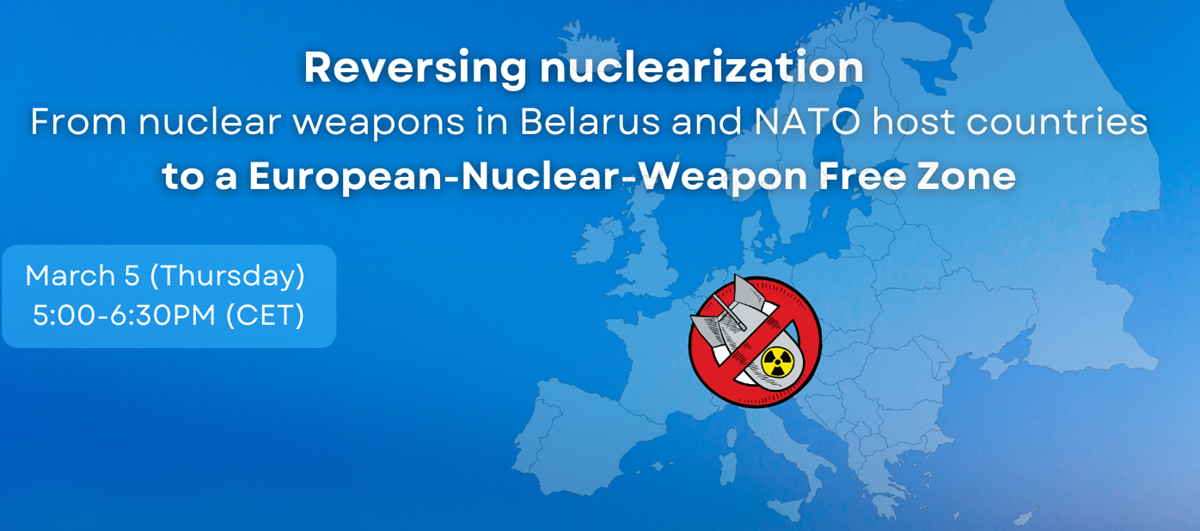
5 March -Online – Reversing nuclearization:
From nuclear weapons in Belarus and NATO host countries to a European-Nuclear-Weapon Free Zone
11am-12:30pm Eastern Time USA / 5pm-6:30pm CET

of the week – Advocating for a
nuclear free beach – https://www.samuellawrencefoundation.org/
The Samuel Lawrence Foundation advocates for a Nuclear Waste Free Beach at San Onofre, join us and take action!

10 March A LIVE WEBINAR THE REAL EFFECTS OF NUCLEAR POWER
What the Industry Isn’t Telling Us
1:00 PM Mountain, 2 pm Central, 3 pm Eastern. Live on the Keepers of the Water Facebook page

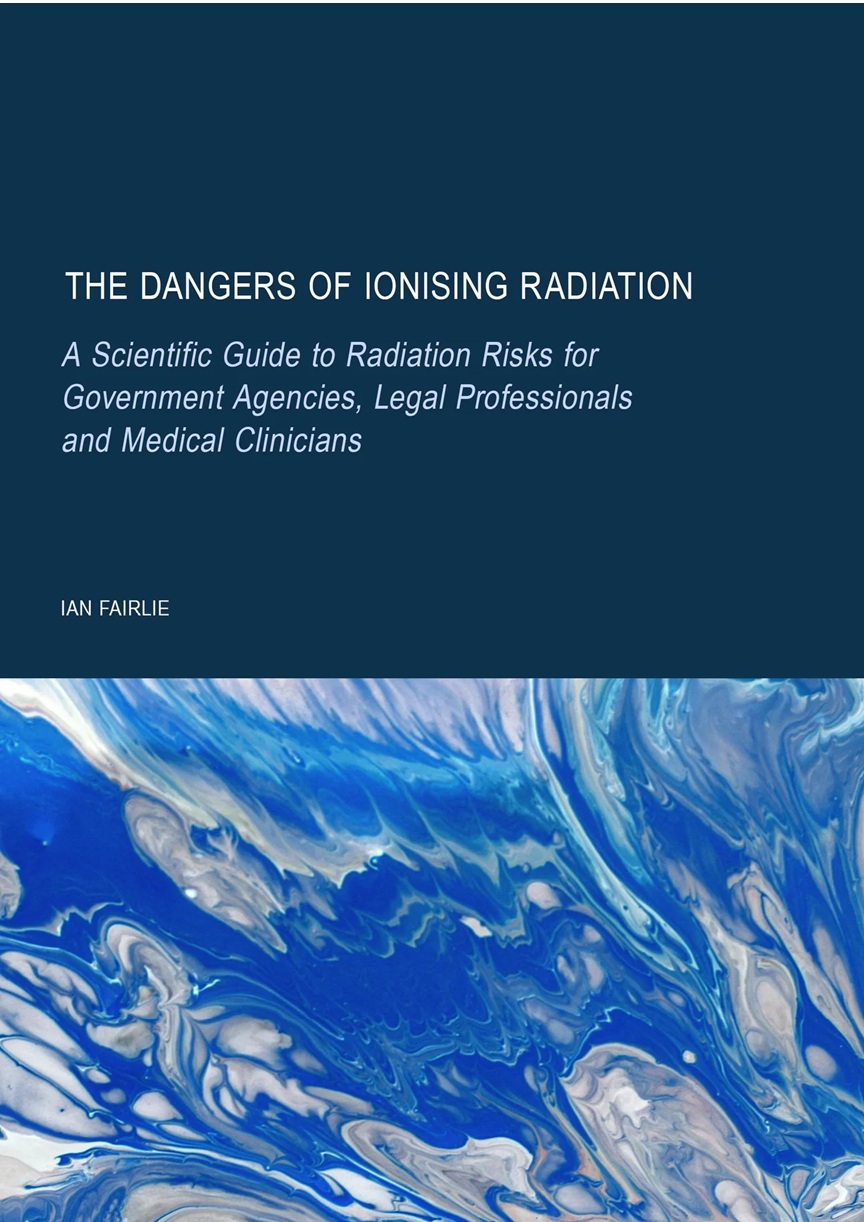
18 March Webinar @ 1 PM EST: An Assessment of SMR Projects: The Case of Canada
register for the zoom:
https://us02web.zoom.us/webinar/register/WN_o8BIIOUvQ2ONJR1nta65DQ#/registration

of the week – STOP SMALL MODULAR REACTORS IN CANADA
To see nuclear-related stories in greater depth and intensity – go to https://nuclearinformation.wordpress.com
-
Archives
- March 2026 (38)
- February 2026 (268)
- January 2026 (308)
- December 2025 (358)
- November 2025 (359)
- October 2025 (376)
- September 2025 (258)
- August 2025 (319)
- July 2025 (230)
- June 2025 (348)
- May 2025 (261)
- April 2025 (305)
-
Categories
- 1
- 1 NUCLEAR ISSUES
- business and costs
- climate change
- culture and arts
- ENERGY
- environment
- health
- history
- indigenous issues
- Legal
- marketing of nuclear
- media
- opposition to nuclear
- PERSONAL STORIES
- politics
- politics international
- Religion and ethics
- safety
- secrets,lies and civil liberties
- spinbuster
- technology
- Uranium
- wastes
- weapons and war
- Women
- 2 WORLD
- ACTION
- AFRICA
- Atrocities
- AUSTRALIA
- Christina's notes
- Christina's themes
- culture and arts
- Events
- Fuk 2022
- Fuk 2023
- Fukushima 2017
- Fukushima 2018
- fukushima 2019
- Fukushima 2020
- Fukushima 2021
- general
- global warming
- Humour (God we need it)
- Nuclear
- RARE EARTHS
- Reference
- resources – print
- Resources -audiovicual
- Weekly Newsletter
- World
- World Nuclear
- YouTube
-
RSS
Entries RSS
Comments RSS
 nuclear-news