Huge danger of nuclear terrorism, but small chance of international action to prevent it
a “dirty bomb”, where conventional explosives are used to disperse radiation from a radioactive source, is a “high probability, low consequence act” with more potential to terrorize than cause large loss of life……
next week’s conference in Vienna is open to all members of the 159-nation IAEA, which says it expects officials from some 112 countries as well as 20 organizations
World worried about nuclear terrorism, but little action at talks By Fredrik Dahl VIENNA Jun 24, 2013 (Reuters) – More than 100 states meeting next week will warn of the threat of nuclear terrorism but without deciding on any concrete new steps to counter the danger, a draft ministerial statement showed on Monday.
The document, which member states of the U.N. nuclear agency have been negotiating since March, looked unlikely to satisfy those who advocate stronger international action to ensure that potential nuclear bomb material does not fall into the wrong hands. Continue reading
Savannah River nuclear plant connected to unsuccessful diplomacy
Officials in Washington thought they had clinched a deal with Moscow to ensure that the Russian plutonium stockpile would shrink, only to discover after years of delay that Russia had other plans
How a Massive Nuclear Nonproliferation Effort Led to More Proliferation, The Atlantic, More than a decade of negotiations with Russia produced a clear winner, and it was not the United States. DOUGLAS BIRCH AND R. JEFFREY SMITHJUN 24 2013 SAVANNAH RIVER SITE, South Carolina “……The huge new nuclear fuel plant at Savannah River reached this shaky stage via a convoluted path. The idea behind it grew out of a crisis. Arms control agreements in the 1980s had left both the U.S. and the Soviet Union with huge stockpiles of fissile materials from dismantled warheads. The collapse of the Soviet economy left workers at vast weapons production complexes without heat, power or paychecks, a circumstance that threatened security and raised the risk of nuclear smuggling.
At least four times between 1994 and 2000, small amounts of smuggled plutonium were recovered by law-enforcement officials in Europe, the Caucasus and Central Asia, according to the International Atomic Energy Agency –all at the height of the Russian economic meltdown.
The United States and its allies worried these cases were the tip of an iceberg. Princeton physicist Frank von Hippel, a key player in the early push for a disposal agreement, recalls his surprise on visiting the huge Mayak nuclear complex in western Siberia in 1994. There, he found 30 metric tons of plutonium oxide from civilian reactors capable of being fashioned into bombs, stored in 12,000 tea-kettle-sized containers. A fence surrounded the reservation, but inside the gates all that stood between a thief and the plutonium was a padlock on the warehouse door and a nervous conscript guard.
A distinguished panel concluded in a special 2001 report for the Energy Secretary that the threat of diverted weapons materials from the former Soviet Union “is a clear and present danger, to the international community as well as to American lives and liberties.”
Nor has the risk of nuclear terror diminished since then, U.S. officials say. “Two decades after the end of the Cold War, we face a cruel irony of history –the risk of a nuclear confrontation between nations has gone down, but the risk of nuclear attack has gone up,” President Obama warned on the eve of an April 2010 global summit on nuclear security in Washington. Former vice president Dick Cheney told the American Enterprise Institute the following year that a terrorist with nuclear materials and know-how was “the most dangerous threat” the U.S. faced.
But even though the United States and Russia worked together to stem nuclear security problems in the 1990s, the two countries disagreed from the start about controlling plutonium. The U.S. view, initially, was that the best way to prevent the explosive from being used in new bombs was to lock it away in ceramic and glass.
Russia, though, was eager to tap the vast riches locked in its Cold War detritus. The country pressed to use its plutonium as fuel for a type of nuclear reactor that can actually produce more plutonium than it burns, in a form that is more easily used in nuclear explosives – a reactor known as a “breeder” that many Western experts say can promote a dangerous international trade in the nuclear explosive.
In a long struggle to resolve this disagreement, the Russians got the better of Washington, according to some experts who followed it closely. As a result, the South Carolina plant’s troubles partly reflect the fact that soaring U.S. national security ambitions were brought to earth by unsuccessful diplomacy. Officials in Washington thought they had clinched a deal with Moscow to ensure that the Russian plutonium stockpile would shrink, only to discover after years of delay that Russia had other plans…….” http://www.theatlantic.com/international/archive/2013/06/how-a-massive-nuclear-nonproliferation-effort-led-to-more-proliferation/277140/
Podcast: War and the New Nuclear Danger: Fukushima and Beyond
 War and the New Nuclear Danger: Fukushima and Beyond Click to download the audio (MP3 format) http://www.globalresearch.ca/war-and-the-new-nuclear-danger-fukushima-and-beyond/5340309 Length (59:28)
Global Research News Hour Episode 31 “Russia has over a thousand hydrogen bombs on hair-trigger alert. You’re all targeted—every town with a population of 50,000 or more is targeted with at least one bomb. There may be 60 targeted on Washington alone, or on New York.
And America’s got that many targeted on Russia, China, etc…
They’re ready to go with the press of a button by Putin or Obama and they have three minutes to decide whether or not to press the button. Computer errors happen a lot … people are hacking into the early warning system and they could start a nuclear war. Especially as tensions rise in the Middle East, this is very, very dangerous.” – Dr. Helen Caldicott
Project Censored lists the incident and the under-reported impacts including 14,000 deaths in the US linked to radioactive fall-out as among its top 25 most censored stories of 2011-2012.
Complementing Caldicott’s presentation, Michel Chossudovsky of the Centre for Research on Globalization contributes his own research into the new nuclear doctrine.
According to Chossudovsky, nuclear weapons are now considered as part of the arsenal of conventional warfare as opposed to a ‘doomsday’ weapon meant as a bluff to scare off a would-be attacker.
Both Chossudovsky and Caldicott agree that the wider public needs greater exposure to today’s nuclear danger which is the theme of this week’s show.
Wind and solar power the lowest cost options for Africa
Renewable Energy Becomes Cost Competitive in Africa http://designbuildsource.comau/renewable-energy-becomes-cost-competitive-in-africa By Marc Howe, 24 June 13 The African continent is witnessing a stunning surge in the use of renewable energy as supply sources such as solar and wind power emerge as the lowest cost options for developing countries still struggling with poor infrastructure.
South Africa plans to bring 6.9 gigawatts of renewable energy capacity into play by the end of this decade, awarding 2.4 gigawatts in contracts via the first two windows of its procurement program.
At the other end of the continent, Morocco has also launched its own swathe of ambitious renewable energy programs. It plans to develop 850 megawatts in wind capacity in the form of five projects, which the goal of installing two gigawatts in capacity by 2020.
In the area of solar power, Morocco is on track to build the world’s largest concentrated solar power plan in the form of the 500 megawatt Ouarzazate project. Phase one of the project is already under construction, while Phase two is in the midst of procurement.
Despite a sharp decline in total global investment in renewable energy in 2012, which fell to $244 billion from $279 billion the preceding year, the Middle East and Africa experienced aremarkable increase in regional spending, surging 228 per cent to hit $12 billion.
For rural African communities, renewable energy has become cheaper than diesel or coal-fired generators once fuel costs are taken into consideration as a result of limited refining capacity and poor pipeline networks.
“Certain categories of renewable energy have become the de facto least cost generation option when compared to conventional new build alternatives,” says Christopher Clarke, founding partner of Inspired Evolution Investment Management.
“The average price for wind in the last bid was 89 Rand cents per kilowatt-hour, which is cheaper than the equivalent cost of cleaner coal new build in South Africa.”
USA scrambling to sell off nuclear technology to India
 India assures U.S. a share of nuclear pie, THE HINDU, 24 June 13 SANDEEP DIKSHIT India and the U.S. on Monday agreed to set a timeline for operationalising the civil nuclear agreement. The Fourth Strategic Dialogue co-chaired by U.S. Secretary of State John Kerry and External Affairs Minister Salman Khurshid here reviewed several issues ranging from the status of civil nuclear ties between the two countries through defence trade to education and cultural exchanges — through some 30 bilateral panels.
The two ministers felt further high-level meetings should be held to achieve convergence and progress, especially in strategic issues. An example of such meetings will be the visit of U.S. Vice President Joe Biden scheduled for mid-July………. At the press conference, Mr. Kerry almost let slip America’s chagrin at not having tasted the fruits of the India-U.S. civil nuclear agreement by drawing attention to the enormous domestic political capital invested by Democrats and Republicans to ensure New Delhi was given a special exemption by the Nuclear Suppliers Group (NSG).
The Kerry-Khurshid meeting set September as a possible timeline for resolving two issues that have thwarted Westinghouse from setting up six reactors in Gujarat. Another company GE will set up an equal number in Andhra Pradesh but its reactor design has not yet been cleared by the U.S. nuclear regulator. India had promised these multi-billion bonanzas in exchange for supporting its case at the NSG and the International Atomic Energy Agency……http://www.thehindu.com/news/national/india-assures-us-a-share-of-nuclear-pie/article4846708.ece
The development of MOX nuclear fuel, and the Global Nuclear Energy Partnership
an industrial-scale facility in America capable of turning plutonium into reactor fuel — a key step on the path to a revived breeder program.
The MOX plant was “the plutonium nose under the tent”
Ernest Moniz…his June 2000 deal, approved by the two country’s presidents, called for both sides to use the  plutonium mostly as a reactor fuel, as Moscow sought.
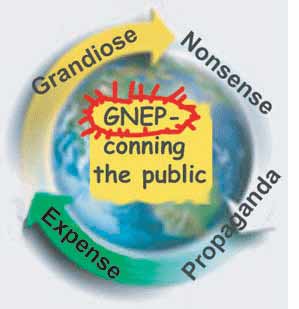 The George W. Bush administration subsequently embraced a plan to promote breeder reactors and the recycling of plutonium, not just domestically, but by other nuclear states including Russia, in a controversial program known as the Global Nuclear Energy Partnership. . Formal papers ordering the start of the MOX plant construction were signed in August 2007 by a former chief of the Bush-Cheney energy policy transition team, according to an internal Energy Department document.
How a Massive Nuclear Nonproliferation Effort Led to More Proliferation, The Atlantic, DOUGLAS BIRCH AND R. JEFFREY SMITHJUN 24 2013 SAVANNAH RIVER SITE, South Carolina “,……….Breeder reactors, in a kind of Atomic Age alchemy, can manufacture more plutonium than they consume, inspiring dreams of almost limitless energy. By generating fast-moving neutrons that transform the uranium mixed into their fuel into additional plutonium, they hold the promise of a significant energy reward: One gram of plutonium can produce more energy than a ton of oil. At one time or another, breeders have been pursued by every major nuclear nation. Continue reading
Wall mounted solar inverter and battery to be mass produced
SMA’s New Solar Inverter Incorporates Battery Energy Storage http://www.energymatters.com.au/index.php?main_page=news_article&article_id=3807 24 June 13 SMA’s latest inverter that incorporates a lithium ion battery has won an award at Intersolar Europe 2013 in Munich.
Sunny Boy Smart Energy is the first wall mounted solar inverter with an integrated battery to be mass produced. Continue reading
Tritium level rising in Fukushima plant port – Ground subsidence issues on land
Tritium level rising in Fukushima plant port
Officials from Tokyo Electric Power Company say the level of radioactive tritium has been rising in sea water near the Fukushima Daiichi nuclear power plant.
They say they can’t rule out the possibility that contaminated groundwater seeped into the sea.
TEPCO officials said contained 1,100 becquerels of tritium per liter.That is 10 times the amount detected in previous tests.
But they said the figure is still less than one-fiftieth of the government-set limit for water to be released into the sea.
http://www3.nhk.or.jp/nhkworld/english/news/20130625_04.html
The river sediments of Dneeper, Sozh and Pripjat, Neman, Zapadnay and Divina increased Cs-137 by 80%. This is only official state data. It reached also backwaters: The Sr-90 activity varies from 2,2 – 66,0 up to 407 – 4,215 Bq/Kg).
Alpha-radionuclides density in riverbed sediments is higher than in river waters: Pu238 from 0,005 – 9,10 Bg/Kg; Pu-239-240 from 0,13 – 28,13 Bq/Kg; Am-241 from 0,07 – 16,2 Bq/Kg. In the 90ies the levels fro Cs-137 and Sr-90 exceed pre-accidental levels in ground water 20 – 30 times and in underground waters 10 times and more.
Chernobyl turned the soil into a collector where accumulation and prolonged retention of long-living radionculides occur.
http://tschernobyl-initiative.welcomes-you.com/dokumente/belarus/pdf/band3_s8_23.pdf
h/t ; Iori Mochizuki
According to Japan Agency for Marine-Earth Science and Technology, Cs-134 was detected from 7300m deep in the Pacific only 4 months after the Fukushima nuclear accident.
The location is in approximately 115km east from the epicenter, 4.9km east from the trench axis of the Japan Deep.
From their press release of 5/29/2013, 20 Bq/Kg of Cs-134 was measured from the the sea ground sediment (0~1cm depth) in July of 2011. It proves the Fukushima contamination reached 7300m deep in the Pacific detecting Cs-134.
They observed the upsurge of phytoplankton around the Japan deep from late March to early April in 2011. They assume Cs-134 fell down with the mass of marine snow.
Also, at the point of 110km east from the epicenter, they observed the local strong current with a certain direction. Due to this strong current, dead bodies of sea creatures and the sorts of fish that can’t fix themselves at one location were carried to the deeper area. Almost no living benthos was found.
At both of the 110km area and 115km area, they observed mineral particles causing seawater extraordinary unclear. The thickness of the unclear layers were 30m and 50m in each.
http://www.jamstec.go.jp/j/about/press_release/20130529/
20,000 Bq/Kg from school swimming pool sediment in Miyagi prefecture
According to a citizens’ radiation monitoring station in Kakuda city Miyagi prefecture, significantly high level of Cs-134/137 was measured from sediment in a swimming pool.
The pool is located in an elementary school of the city. The school is probably going to have a swimming class this year.
Chapter1. State of the Environment Annual Environment report 1992
Ground subsidence is brought about by the excessive extraction of ground water.
Once it has subsided, ground cannot return to its former level. This can cause severe damage and problems to architectural structures.
Ground subsidence was already observed in Tokyo’s Edo-ku and in West Osaka before the Pacific War. After the war, economic stagnation resulted in a temporary pause, but by the mid-1960s it resumed countrywide, with some locations even recording a severe drop of more than 20cm annually.
After that, as a result of regulations on the use of ground water, land subsidence has gradually decreased. However, even in 1990, 5 locations (a total of 14km2) dropped by more than 4cm, and 18 loca-tions (totaling 360km2) dropped by more than 2cm. Particularly affected are the Northern Kanto Plain, the Kujukuri Plain in Chiba prefecture. and Chikugo-Saga Plain in Saga prefecture (Figure 1-1-27).
Fig. 1-1-27 Land Subsidence Across the Nation in FY 1991

http://www.env.go.jp/en/wpaper/1992/eae210000000000.html#1_1_1_3
In the video at the top of this post Tepco mention injecting materials to block and solidify the ground and to block ground water but as the above chart shows, that could destabilise the ground levels by effecting the pressure and direction of the ground water.. Spent fuel pool 4 at Fukushima Daichi is in peril as the ground has already dropped after the 2011 earthquake and subsequent remedial works. Did or does Tepco use the ground water at Daichi? Are they taking into account the porous nature of the rock type/fractures? [Arclight2011part2]
Japan’s Energy Shift ~A message from Amory Lovins
Published on 24 Jun 2013

A world-renowned energy expert, Amory Lovins, visits the forefront of Japan’s energy shift to propose ways for its energy future. Lovins has been studying and visiting Japan since 1960s as he embarked on his profession. Lovins’ message: Japan can lead the world in energy shift, if Japan realizes its potential for more energy efficiency and utilize its abundant renewable energy.
Since the 3.11, Japan’s energy strategy is being re-examined. How can Japan harness its renewable energy to create a stable power supply while maintaining economic growth?
In the concluding segment, Lovins shares his thoughts on why Japan can achieve its energy shift.
NHK Eco-Mix Feb. 02 2013 on Air
Solar power still better than nuclear in the fight against climate change
http://www.guardian.co.uk/environment…
Renewable energy is clean, cheap and here — what’s stopping us?
http://www.guardian.co.uk/commentisfr…
Doctors urge province to ramp-up renewable energy
Gerald Celente – Jeff Rense Show – June 18, 2013
Published on 24 Jun 2013
Trending toward disaster
The Trends Journal® is the World’s #1 source for the most important trends that are shaping the future. The Trends Journal® shows you how these trends will affect your life, how to profit from them, and what to do to avoid pitfalls. Regardless of business or profession, the Trends Journal® provides insights, strategies and opportunities to help you navigate these treacherous, unprecedented times.
Official Gerald Celente channels: “Gcelente” & “TrendsJournal”.
©2012 TrendsResearchInstitute. Gerald Celente™.
From Frankfurt to Fukushima フランクフルトより福島へ
Published on 24 Jun 2013
(下記日本語)
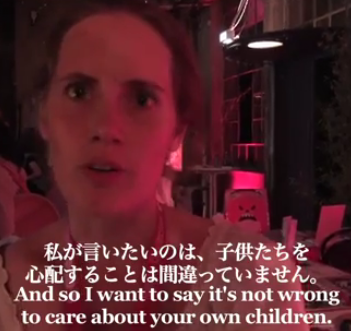
Following the World Premier of ‘A2’ at the 2013 Nippon Connection Film Festival, members of the audience in Frankfurt, Germany, send video messages to the Fukushima children and mothers who appear in the film.
‘A2’, one of 12 films nominated for the 2013 Nippon Visions Award, was announced as the recipient of the award at the closing night ceremony (http://ianthomasash.blogspot.jp/2013/…).
‘A2’ SYNOPSIS: Many children in Fukushima were never evacuated after the nuclear meltdown on March 11, 2011. Now the number of Fukushima children found to have thyroid cysts and nodules is increasing. What will this mean for their future?
TRAILER: http://www.youtube.com/watch?v=ZD9yGO…
WEBSITE: http://www.a2documentary.com/
ニッポン・コネクション映画祭で「A2」のワールドプレミアが行なわれました。ドイツ フランクフルトの観客から、映画に出ている子供たちとお母さんたちへ
ビデオメッセージ を送ります。
「ニッポン・ビジョン賞」は、国際的審査員により決定されました。12本の長編作品がノミネートされていました。
「A2」が「ニッポン・ビジョン賞」に選ばれました。
「A2」のストーリ: 福島の子供達の多くは、メルトダウン後も避難させてもらえなかった。嚢胞としこりを持つ福島の子供達の数が増加してきている。彼らの未来に対して意味するものは?
予告編:http://www.youtube.com/watch?v=ZD9yGO…
HP:http://www.a2documentary.com/
Nuclear-news.net website hacked – Blimey! A day in the life of a dissenting mind – UK!
Published on 24 Jun 2013
-
Category
-
Licence
Creative Commons Attribution licence (reuse allowed)
Take 2 -UK SURVEILLANCE – NETPOL WEBSITE AUK SURVEILLANCE – NETPOL WEBSITE AND PHONE BLOCKED, LLRC EMAILS BLOCKED
This is the second post as the first has “problems”

Published on 24 Jun 2013
Correction to video.. the LLRC COULD SEND OUT but they could NOT RECIEVE emails
Here is a response from Richard Bramhall of the LLRC…
LLRC emails @llrc.org were disrupted right after we issued a briefing about “Aspects of DNA damage from internal radiation exposures” [1].
We can send emails from @llrc.org addresses but not receive.
It looks as if emails have been intercepted for some time. We have no idea how long this has been happening.
You can send to lowradcampaign@gmail.com
We don’t know how secure gmail traffic is.
Richard Bramhall
[1] Aspects of DNA damage from internal radiation exposures
http://www.intechopen.com/articles/sh… 50 pages, 111 references
http://llrc.org
http://netpol.org
UK SURVEILLANCE – NETPOL WEBSITE AND PHONE BLOCKED, LLRC EMAILS BLOCKED
Published on 24 Jun 2013
Correction to video.. the LLRC COULD SEND OUT but they could NOT RECIEVE emails
Here is a response from Richard Bramhall of the LLRC…
LLRC emails @llrc.org were disrupted right after we issued a briefing about “Aspects of DNA damage from internal radiation exposures” [1].
We can send emails from @llrc.org addresses but not receive.
It looks as if emails have been intercepted for some time. We have no idea how long this has been happening.
You can send to lowradcampaign@gmail.com
We don’t know how secure gmail traffic is.
Richard Bramhall
[1] Aspects of DNA damage from internal radiation exposures
http://www.intechopen.com/articles/sh… 50 pages, 111 references
http://llrc.org
http://netpol.org
Chernobyl Children International annual airlift – Served 22,500 children since 1986

24 June2013
Last Thursday 20 June as part of Chernobyl Children International (CCI) annual airlift of children, the first flight carrying 300 children from the affected regions of Chernobyl arrived into Ireland.
The children who come from impoverished backgrounds, institutions and foster homes in the heart of the contaminated Chernobyl zone will be hosted by Irish families throughout 11 counties in Ireland as part of CCI’s Summer Rest & Recuperation Programme. Despite these challenging times, Irish volunteer host families continue to raise funds locally throughout Ireland to support the children and ensure they benefit from a cleaner Irish environment.
Adi Roche, CEO, CCI, said, ‘Despite the difficult economic circumstances many families find themselves in Ireland, our volunteers have opened their hearts and their homes this summer to children who so desperately need our help. While the Chernobyl accident happened over a quarter of a century ago the consequences last forever. My heartfelt gratitude to the volunteers who offer hope to live to the children who the world has largely forgotten.’
The arrival of this summer’s children brings the total number of children who have benefited under the scheme to over 22,500 children since the aftermath of the Chernobyl disaster in 1986.
https://www.facebook.com/ChernobylChildrenInternational?hc_location=stream
http://www.chernobyl-international.com/
Adi Roche welcomes children into Shannon Airport today
Chernobyl eyes are smiling!
Children from the affected regions of Chernobyl arrive for Summer Rest & Recuperation.
Adi Roche welcomes children into Shannon Airport today.
The first flight carryin 300 children from the affected regions of Chernobyl arrives into Ireland today, Thursday 20 June as part of Chernobyl Children International (CCI) annual airlift of children.

The children who come from impoverished backgrounds, institutions and foster homes in the heart of the contaminated Chernobyl zone will be hosted by Irish families throughout 11 counties in Ireland as part of CCI’s Summer Rest & Recuperation Programme. Despite these challenging times, Irish volunteer host families continue to raise funds locally throughout Ireland to support the children and ensure they benefit from a cleaner Irish environment.
Adi Roche, CEO, CCI, said, ‘Despite the difficult economic circumstances many families find themselves in Ireland, our volunteers have opened their hearts and their homes this summer to children who so desperately need our help. While the Chernobyl accident happened over a quarter of a century ago the consequences last forever. My heartfelt gratitude to the volunteers who offer hope to live to the children who the world has largely forgotten.’
The arrival of this summer’s children brings the total number of children who have benefited under the scheme to over 22,500 children since the aftermath of the Chernobyl disaster in 1986.
Individual Stories
(1) Brothers Alexei and Vasily
Among the children are brothers Alexei and Vasily who have been waiting excitedly to board the flight from Minsk to Shannon for many months. These young teenagers were abandoned at birth and live in a remote institution, Vesnova, in the South East of Belarus. Vesnova is home to 170 other children and young adults, many who have been confined to institutional care since they were babies.
Alexei is wheelchair-bound and depends on round-the-clock medical care, provided by CCI’s Medical Care Programme. Alexei will make the 3,000 mile journey to meet his host family, Mike, Susan and their children Ricky and Grace in Cork. Vasily will join his host family in Kilkenny who are waiting anxiously for him to arrive.
(2) Igor
Another little boy Igor, from Vesnova is 12 years old but looks not much older than a little 2 year old toddler. Little Igor suffers from a multiple congenital birth defects and deformities and was cruelly abandoned to the Institution since birth. His only lifeline is his Irish host family, the Coxes from Westport. Marie Cox, her husband Dermot and four boys, who opened their hearts and their home to Igor over 4 years ago. Although Igor can’t talk or walk and is confined to a wheelchair, he is an expert communicator and has become a well-known face around the town of Westport every summer!
Other boys and girls from Vesnova will join their families for what will be a holiday of a lifetime and a gift to them from the people of Ireland. Volunteer host families up and down the country give these children an unforgettable summer holiday, and at the same time they gain respite from the high levels of radiation to which they continue to be exposed as a result of the Chernobyl explosion. The summer is a particularly dangerous time in the Chernobyl regions as the intense heat contributes to the redistribution of radioactive materials.
Adi Roche welcomes children into Shannon Airport today
Chernobyl eyes are smiling!
Children from the affected regions of Chernobyl arrive for Summer Rest & Recuperation.
Adi Roche welcomes children into Shannon Airport today.
The first flight carryin 300 children from the affected regions of Chernobyl arrives into Ireland today, Thursday 20 June as part of Chernobyl Children International (CCI) annual airlift of children.
The children who come from impoverished backgrounds, institutions and foster homes in the heart of the contaminated Chernobyl zone will be hosted by Irish families throughout 11 counties in Ireland as part of CCI’s Summer Rest & Recuperation Programme. Despite these challenging times, Irish volunteer host families continue to raise funds locally throughout Ireland to support the children and ensure they benefit from a cleaner Irish environment.
Adi Roche, CEO, CCI, said, ‘Despite the difficult economic circumstances many families find themselves in Ireland, our volunteers have opened their hearts and their homes this summer to children who so desperately need our help. While the Chernobyl accident happened over a quarter of a century ago the consequences last forever. My heartfelt gratitude to the volunteers who offer hope to live to the children who the world has largely forgotten.’
The arrival of this summer’s children brings the total number of children who have benefited under the scheme to over 22,500 children since the aftermath of the Chernobyl disaster in 1986.
Individual Stories
(1) Brothers Alexei and Vasily
Among the children are brothers Alexei and Vasily who have been waiting excitedly to board the flight from Minsk to Shannon for many months. These young teenagers were abandoned at birth and live in a remote institution, Vesnova, in the South East of Belarus. Vesnova is home to 170 other children and young adults, many who have been confined to institutional care since they were babies.
Alexei is wheelchair-bound and depends on round-the-clock medical care, provided by CCI’s Medical Care Programme. Alexei will make the 3,000 mile journey to meet his host family, Mike, Susan and their children Ricky and Grace in Cork. Vasily will join his host family in Kilkenny who are waiting anxiously for him to arrive.
(2) Igor
Another little boy Igor, from Vesnova is 12 years old but looks not much older than a little 2 year old toddler. Little Igor suffers from a multiple congenital birth defects and deformities and was cruelly abandoned to the Institution since birth. His only lifeline is his Irish host family, the Coxes from Westport. Marie Cox, her husband Dermot and four boys, who opened their hearts and their home to Igor over 4 years ago. Although Igor can’t talk or walk and is confined to a wheelchair, he is an expert communicator and has become a well-known face around the town of Westport every summer!
Other boys and girls from Vesnova will join their families for what will be a holiday of a lifetime and a gift to them from the people of Ireland. Volunteer host families up and down the country give these children an unforgettable summer holiday, and at the same time they gain respite from the high levels of radiation to which they continue to be exposed as a result of the Chernobyl explosion. The summer is a particularly dangerous time in the Chernobyl regions as the intense heat contributes to the redistribution of radioactive materials.
– See more at: http://www.chernobyl-international.com/news/2013/06/20/chernobyl-international#sthash.JVcEPR5w.dpuf
Adi Roche welcomes children into Shannon Airport today
Chernobyl eyes are smiling!
Children from the affected regions of Chernobyl arrive for Summer Rest & Recuperation.
Adi Roche welcomes children into Shannon Airport today.
The first flight carryin 300 children from the affected regions of Chernobyl arrives into Ireland today, Thursday 20 June as part of Chernobyl Children International (CCI) annual airlift of children.
The children who come from impoverished backgrounds, institutions and foster homes in the heart of the contaminated Chernobyl zone will be hosted by Irish families throughout 11 counties in Ireland as part of CCI’s Summer Rest & Recuperation Programme. Despite these challenging times, Irish volunteer host families continue to raise funds locally throughout Ireland to support the children and ensure they benefit from a cleaner Irish environment.
Adi Roche, CEO, CCI, said, ‘Despite the difficult economic circumstances many families find themselves in Ireland, our volunteers have opened their hearts and their homes this summer to children who so desperately need our help. While the Chernobyl accident happened over a quarter of a century ago the consequences last forever. My heartfelt gratitude to the volunteers who offer hope to live to the children who the world has largely forgotten.’
The arrival of this summer’s children brings the total number of children who have benefited under the scheme to over 22,500 children since the aftermath of the Chernobyl disaster in 1986.
Individual Stories
(1) Brothers Alexei and Vasily
Among the children are brothers Alexei and Vasily who have been waiting excitedly to board the flight from Minsk to Shannon for many months. These young teenagers were abandoned at birth and live in a remote institution, Vesnova, in the South East of Belarus. Vesnova is home to 170 other children and young adults, many who have been confined to institutional care since they were babies.
Alexei is wheelchair-bound and depends on round-the-clock medical care, provided by CCI’s Medical Care Programme. Alexei will make the 3,000 mile journey to meet his host family, Mike, Susan and their children Ricky and Grace in Cork. Vasily will join his host family in Kilkenny who are waiting anxiously for him to arrive.
(2) Igor
Another little boy Igor, from Vesnova is 12 years old but looks not much older than a little 2 year old toddler. Little Igor suffers from a multiple congenital birth defects and deformities and was cruelly abandoned to the Institution since birth. His only lifeline is his Irish host family, the Coxes from Westport. Marie Cox, her husband Dermot and four boys, who opened their hearts and their home to Igor over 4 years ago. Although Igor can’t talk or walk and is confined to a wheelchair, he is an expert communicator and has become a well-known face around the town of Westport every summer!
Other boys and girls from Vesnova will join their families for what will be a holiday of a lifetime and a gift to them from the people of Ireland. Volunteer host families up and down the country give these children an unforgettable summer holiday, and at the same time they gain respite from the high levels of radiation to which they continue to be exposed as a result of the Chernobyl explosion. The summer is a particularly dangerous time in the Chernobyl regions as the intense heat contributes to the redistribution of radioactive materials.
– See more at: http://www.chernobyl-international.com/news/2013/06/20/chernobyl-international#sthash.JVcEPR5w.dpuf
Adi Roche welcomes children into Shannon Airport today
Chernobyl eyes are smiling!
Children from the affected regions of Chernobyl arrive for Summer Rest & Recuperation.
Adi Roche welcomes children into Shannon Airport today.
The first flight carryin 300 children from the affected regions of Chernobyl arrives into Ireland today, Thursday 20 June as part of Chernobyl Children International (CCI) annual airlift of children.
The children who come from impoverished backgrounds, institutions and foster homes in the heart of the contaminated Chernobyl zone will be hosted by Irish families throughout 11 counties in Ireland as part of CCI’s Summer Rest & Recuperation Programme. Despite these challenging times, Irish volunteer host families continue to raise funds locally throughout Ireland to support the children and ensure they benefit from a cleaner Irish environment.
Adi Roche, CEO, CCI, said, ‘Despite the difficult economic circumstances many families find themselves in Ireland, our volunteers have opened their hearts and their homes this summer to children who so desperately need our help. While the Chernobyl accident happened over a quarter of a century ago the consequences last forever. My heartfelt gratitude to the volunteers who offer hope to live to the children who the world has largely forgotten.’
The arrival of this summer’s children brings the total number of children who have benefited under the scheme to over 22,500 children since the aftermath of the Chernobyl disaster in 1986.
Individual Stories
(1) Brothers Alexei and Vasily
Among the children are brothers Alexei and Vasily who have been waiting excitedly to board the flight from Minsk to Shannon for many months. These young teenagers were abandoned at birth and live in a remote institution, Vesnova, in the South East of Belarus. Vesnova is home to 170 other children and young adults, many who have been confined to institutional care since they were babies.
Alexei is wheelchair-bound and depends on round-the-clock medical care, provided by CCI’s Medical Care Programme. Alexei will make the 3,000 mile journey to meet his host family, Mike, Susan and their children Ricky and Grace in Cork. Vasily will join his host family in Kilkenny who are waiting anxiously for him to arrive.
(2) Igor
Another little boy Igor, from Vesnova is 12 years old but looks not much older than a little 2 year old toddler. Little Igor suffers from a multiple congenital birth defects and deformities and was cruelly abandoned to the Institution since birth. His only lifeline is his Irish host family, the Coxes from Westport. Marie Cox, her husband Dermot and four boys, who opened their hearts and their home to Igor over 4 years ago. Although Igor can’t talk or walk and is confined to a wheelchair, he is an expert communicator and has become a well-known face around the town of Westport every summer!
Other boys and girls from Vesnova will join their families for what will be a holiday of a lifetime and a gift to them from the people of Ireland. Volunteer host families up and down the country give these children an unforgettable summer holiday, and at the same time they gain respite from the high levels of radiation to which they continue to be exposed as a result of the Chernobyl explosion. The summer is a particularly dangerous time in the Chernobyl regions as the intense heat contributes to the redistribution of radioactive materials.
– See more at: http://www.chernobyl-international.com/news/2013/06/20/chernobyl-international#sthash.JVcEPR5w.dpuf
1 This Month
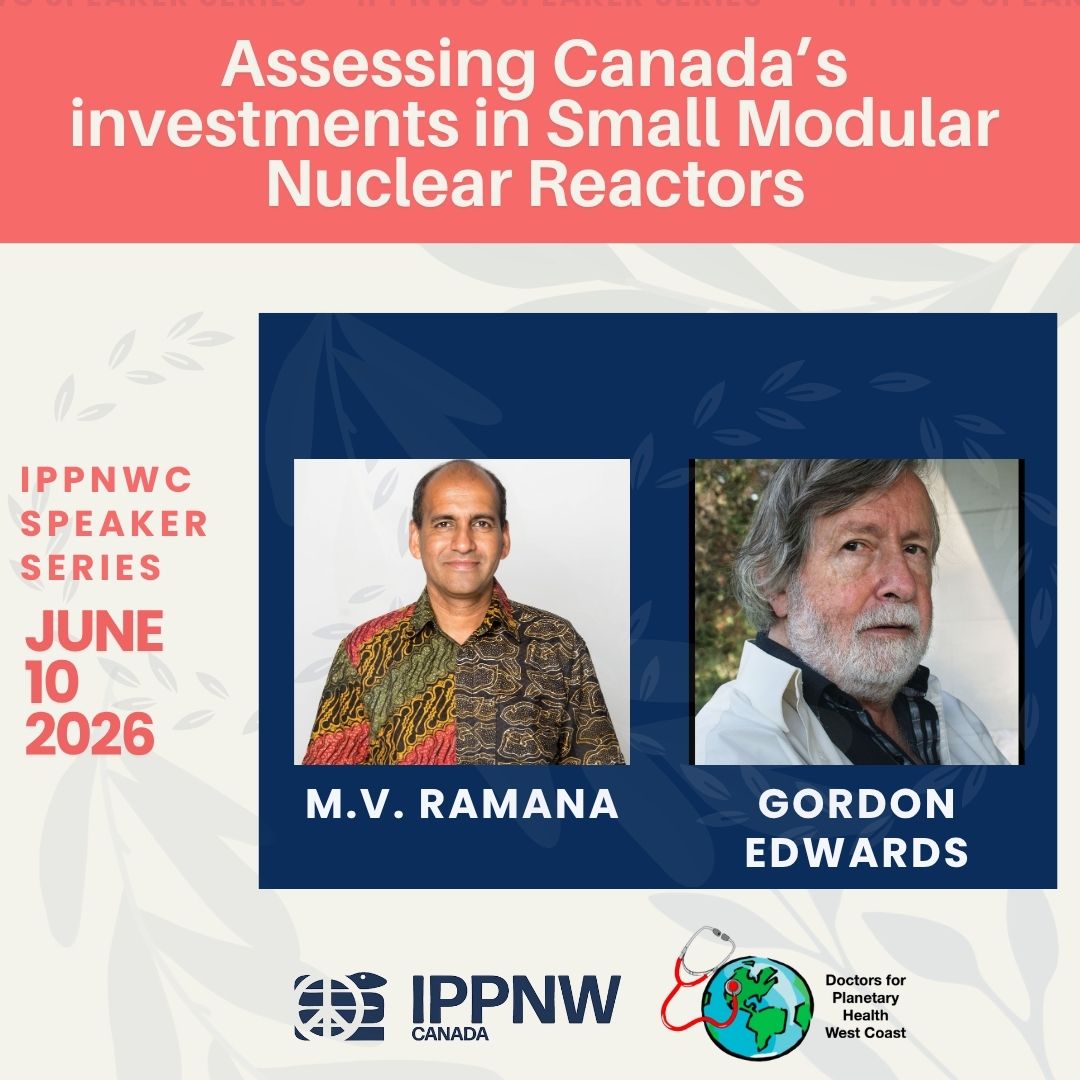
10 June – Assessing Canada’s Investments in Small Modular Nuclear Reactors – https://zoom.us/meeting/register/IiqHA5feRhaEBycOLNTJlA#/registration


Cuba Is Not a Failed State – It Is a Besieged State
PETITION: “Global Appeal to Endorse Palestinian Right of Return of Refugees”
To see nuclear-related stories in greater depth and intensity – go to https://nuclearinformation.wordpress.com
-
Archives
- June 2026 (89)
- May 2026 (306)
- April 2026 (356)
- March 2026 (251)
- February 2026 (268)
- January 2026 (308)
- December 2025 (358)
- November 2025 (359)
- October 2025 (376)
- September 2025 (257)
- August 2025 (319)
- July 2025 (230)
-
Categories
- 1
- 1 NUCLEAR ISSUES
- business and costs
- climate change
- culture and arts
- ENERGY
- environment
- health
- history
- indigenous issues
- Legal
- marketing of nuclear
- media
- opposition to nuclear
- PERSONAL STORIES
- politics
- politics international
- Religion and ethics
- safety
- secrets,lies and civil liberties
- spinbuster
- technology
- Uranium
- wastes
- weapons and war
- Women
- 2 WORLD
- ACTION
- AFRICA
- Atrocities
- AUSTRALIA
- Christina's notes
- Christina's themes
- culture and arts
- Events
- Fuk 2022
- Fuk 2023
- Fukushima 2017
- Fukushima 2018
- fukushima 2019
- Fukushima 2020
- Fukushima 2021
- general
- global warming
- Humour (God we need it)
- Nuclear
- RARE EARTHS
- Reference
- resources – print
- Resources -audiovicual
- Weekly Newsletter
- World
- World Nuclear
- YouTube
-
RSS
Entries RSS
Comments RSS
 nuclear-news