Hinkley nuclear power plans grind to a halt
Hinkley nuclear power station delay deals blow to government hopes Earthwork preparation of Hinkley site put back as election of Francois Hollande as French president hits confidence Damian Carrington guardian.co.uk, 14 May 2012 Massive earthworks needed to prepare the ground for a new nuclear power station at Hinkley in Somerset have been delayed, dealing a further blow to the government’s energy plans.
Half of the big six energy firms have already abandoned their nuclear plans as too costly, but Hinkley is backed by the most pro-nuclear of them, EDF, which is 83% owned by the French state….. Continue reading
San Onofre nuclear plant – far from safe
Fairewinds report blasts safety claims at San Onofre nuclear plant 89.3 KPCC, | By Lisa Brenner , 15 May 12, San Onofre is twisting in the breeze of the new Fairewinds safety report released by activist group Friends of the Earth.
The study raises serious doubts about safety at the Southern California nuclear facility, and says running at reduced power will not solve the tubing trouble that has plagued the plant.
Southern California Edison recently disclosed a tentative plan to run the twin reactors at an unspecified lower power, at least for several months.
Engineers believed reduced power would ease the vibration causing the unusual deterioration of tubes inside the steam generators.
The Fairewinds report, however, says running at reduced power may actually make the damage worse and increase the possibility of cascading safety failures.
The report also expands a previous allegation that Edison misled federal regulators about modifications to the generators. The Nuclear Regulatory Commission (NRC) disputes that claim….. http://www.scpr.org/blogs/news/2012/05/15/6127/fairewinds-report-blows-steam-generator-safety-cla/
Radiation to be measured in monkeys in Fukushima forests
The group plans to target monkeys in southern Minami-Soma in the prefecture, an area that was inside the no-entry zone around the crippled nuclear plant until mid-April. Relatively high radiation levels have been recorded in the area.
“It’s difficult to accurately gauge how much radioactive cesium has
contaminated mountain forests because the substance is easily moved by
rainwater and by other natural conditions,”
 Wild monkeys to help gauge Fukushima radiation http://www.yomiuri.co.jp/dy/national/T120511004760.htm The Yomiuri Shimbun, 11 May 12, FUKUSHIMA–Wild Japanese monkeys wearing special collars fitted with dosimeters and Global Positioning System devices will be used to measure radiation levels in the mountain forests of Fukushima Prefecture in an experiment due to start this month.
A group of researchers at Fukushima University plans to start the experiment to determine the dispersal of radiation due to the crisis at the Fukushima No. 1 nuclear power plant and support decontamination work. Continue reading
Lawsuit against TEPCO, over suicide in Fukushima
 Japan grapples with post-tsunami suicides Daily Mail, By Arata Yamamoto, NBC News , 12 May 12 TOKYO, Japan – More than 60 people have committed suicides related to last year’s 9.0 quake and tsunami, which triggered meltdowns at a nuclear plant in Fukushima, the Japanese government says.
The data comes as a family prepares to file the first lawsuit against the Tokyo Electric Power Co. over the suicide of Hamako Watanabe, a 58-year-old woman who set herself on fire in wake of the disaster.
In 2011, 55 people committed suicide, with another six cases reported since the beginning of 2012. Suicides linked to the Fukushima nuclear accident are included in the numbers, but attribution to the nuclear crisis has been omitted due to privacy concerns. The data was collected using local police reports since last June…..
Watanabe’s family will seek $910,000 in damages in the death of Hamako Watanabe from TEPCO, the operator of the Fukushima nuclear plant, according to The Japan Times and The Mainichi . They plan to file the lawsuit – which would be the first over a suicide linked to the nuclear crisis – on May 18 in Fukushima District Court….
Hamako Watanabe had been a poultry worker until her workplace was shuttered after the tsunami, and she began to show signs of insomnia and had a poor appetite. A group of lawyers representing victims of the nuclear crisis said her depression and suicide were due to the nuclear disaster, The Mainichi reported. http://www.dailymail.co.uk/news/article-2142849/Haunting-shots-Chernobyl-nuclear-disaster-revealed-true-scale-catastrophe–cost-photographers-lives.html?ito=feeds-newsxml
Route for nuclear facility pylons, cables, planned for Cumbria
 Cumbria nuclear pylon route plan unveiled BBC News 11 May 12, Plans showing possible routes of pylons and cabling for a nuclear facility in Cumbria have been revealed.
A new nuclear power station is planned to be built beside Sellafield by 2023.
The project will include a route of pylons or a series of underground cables running from Sellafield to Heysham, or through the Lake District National Park.
Details of the six options are available online for ten weeks to allow the public to provide feedback….. Feedback on the website will run until 19 July. http://www.bbc.co.uk/news/uk-england-cumbria-18027798
Chernobyl photographers paid with their lives
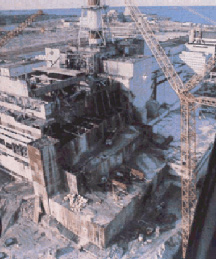
 Never-seen-before shots of Chernobyl nuclear disaster that cost two of the four photographers their lives http://www.dailymail.co.uk/news/article-2142849/Haunting-shots-Chernobyl-nuclear-disaster-revealed-true-scale-catastrophe–cost-photographers-lives.html?ito=feeds-newsxml By DAILY MAIL REPORTER, 11 May 2012 These are the haunting images that captured the true scale of the
Chernobyl nuclear disaster. The black and white shots, taken in the weeks following the 1986 Ukraine tragedy, revealed the truth behind the tragedy Soviet
authorities were trying to hush up.
But despite helping the outside world to understand what happened that fateful April 26 day, the pictures have had a devastating human cost.
Of the four photographers chronicling the tragedy, Anatoly Rasskazov and Valery Zufarov have died from radiation-related diseases and Igor Kostin is constantly ill from the exposure. Continue reading
Global famine would result from just one nuclear attack
A nuclear clash could starve the world, By Jayantha Dhanapala and Ira Helfand, May 11, 2012 — (CNN) — Recent ballistic missile tests by India, Pakistan and North Korea — which has ominously threatened to “reduce to ashes” the South Korean military “in minutes” — are once again focusing the world’s attention on the dangers of nuclear war.
This concern was dramatically underscored in a new report released at the Nobel Peace Laureates Summit in Chicago. Titled “Nuclear Famine: A Billion People at Risk” (PDF), the study shows that even a limited nuclear war, involving less than half of 1% of the world’s nuclear arsenals, would cause climate disruption that could set off a global famine. Continue reading
‘Thrill-seeking’ nuclear reactor operator hijacks car
Authorities: Nuclear engineer sought ‘thrill’ in DuPage hijacking Daily Herald, 5/11/2012 A man who operates reactors at a nuclear power plant was “thrill seeking” when he put on a mask and hijacked a woman’s car at gunpoint, DuPage County authorities said Friday. Continue reading
Anarchist’s attack on nuclear executive in Italy
The letter takes aim at Adinolfi, calling him a “sorcerer of the atomic industry” and criticising him for claiming in an interview that none of the deaths during the Japanese earthquake and tsunami in 2011 were due to nuclear incidents.
“Adinolfi knows well that it is only a matter of time before a European Fukushima kills on our continent,” the letter stated.

 Italian anarchists kneecap nuclear executive and threaten more shootings Group named after Greek anarchist warns it will strike seven more times at nuclear firm’s parent company, Finmeccanica, Tom Kington in Rome guardian.co.uk, 11 May 2012 An anarchist group claimed responsibility on Friday for kneecapping an Italian nuclear engineering executive and warned it would strike another seven times at the firm’s parent company, Finmeccanica. Continue reading
Vogtle Nuclear Reactor’s cost overrun $2 billion
 Rushing nuclear power reactors is not prudent and stockholders and/or the vendors, not ratepayers, should bear the burden of such costs.
Germany leads, and Europe follows, away from nuclear energy


And today there’s even another new constituency: the green-collar workers of the renewable energy industry. They’re conspicuous at demonstrations in their work clothes and badges, yet not out of place. The almost 400,000 clean energy jobs in Germany, many in the down-trodden eastern states, and the promise of more is another sound argument in the quiver of Energiewende proponents
From Advocates to Enemies: Nuclear Decline in Germany World Policy Blog May 10, 2012 -By Paul Hockenos The fact that Germany, in the aftermath of the 2011 Fukushima disaster, redoubled its efforts to phase out nuclear energy has nothing to do with hysteria or postwar angst. On the contrary, a majority of Germans, including much of the political class, has been unconvinced of its merits since the early 1980s; the source of this anti-atom consensus lies not in emotional populism but rather in the persuasive, fact-based arguments of a powerful, grassroots social movement that has long included nuclear physicists and other bona fide experts.
During this four decade long campaign, start-up think tanks, academic scholars, and professionals with nuclear industry experience, among others, were instrumental in convincing most Germans of three main points: nuclear energy is a high-risk technology; renewable energies are viable; and there is no fail-safe way to dispose of radioactive waste.
Of the many misconceptions that cloud the perception of Germany’s energy stands, one is that Germany is somehow on its own in Europe, on the fringe of the continent’s mainstream. Continue reading
Finland’s plan for eternal storage of nuclear waste
there is the problem of time. HLW will remain dangerous for longer than civilization itself has existed. Future civilizations may not even have the ability to address the dangers—even if we could somehow warn them what they’re dealing with.

Meanwhile, the construction of new nuclear facilities continues apace, even in the U.S. Earlier this year, federal regulators granted licenses to construct two new plants in Georgia, the first such licenses in the U.S. since 1978. So our waste problem, and the world’s, will only get worse.
 Finland’s Crazy Plan to Make Nuclear Waste Disappear, Popular Mechanics, By Tim Heffernan 11 May 12, The U.S. plan to bury nuclear waste in Yucca Mountain may be dead, but in Finland, engineers are going ahead with a plan to build an enormous bunker to house the dangerous stuff. And they have a radical solution to keep future civilizations away—hide the nuclear waste somewhere so unremarkable and unpleasant that nobody would ever think to go there. Barring a disaster—or a miracle, depending on your viewpoint—the Finnish government later this year will begin the final licensing of the world’s first permanent storage facility for high-level nuclear waste. Continue reading
Allegations of data suppression at Nuclear Regulatory Commission

 Probe to Look Into Allegations at NRC, WSJ, By KEITH JOHNSON, May 10, 2012, The Nuclear Regulatory Commission’s inspector general will open an investigation into allegations that a regional supervisor sought to squelch some nuclear inspectors’ safety findings, according to an internal memo issued Thursday that defended the agency’s safety
record.
The investigation was prompted by an April 24 letter from anonymous staff in the NRC’s Western region to Rep. Ed Markey (D., Mass.), ranking member of the House energy committee. The letter said one of the region’s deputy directors had created a “corrosive environment which inhibits the ability of inspectors to identify safety-significant issues.”…. Continue reading
Germany to be nuclear free within 10 years
includes VIDEO http://www.todaysthv.com/news/article/210528/288/Germany-plans-to-go-nuclear-free-within-a-decade Germany plans to go nuclear free within a decade, May 10, 2012 “…. Protest against nuclear energy in Germany began shortly after the Fukushima disaster in 2011 and Berlin reacted. After a safety review Angela Merkel’s government decided to shut down eight of Germany’s 17 reactors immediately and abandon nuclear energy altogether by 2022. She says, “We want to make sure that our power supply is safe,” Merkel said. “But at the same time it must be reliable.”
Germany’s answer is renewables! Aside from solar power, the country embarked on an ambitious quest to build dozens of off shore wind parks with thousands of turbines in the North and Baltic Seas. Most of the assembly happens in the northern town of Bremerhaven and local officials say the rush into renewables has led to an economic boom here. Nils Schnorrenberger says, “We had an unemployment rate of 25 per cent six years ago. Now it is 14 per cent and the companies gave 2000 people jobs just here in Bremerhaven.”..
. Ever since the Chernobyl disaster, Germans have had a troubled relationship with
nuclear energy with regular protests against new plants and nuclear waste transports. Since Fukushima, however, the country’s decision to quit atomic power seems irreversible, even in the face of challenges and uncertainties ahead. http://www.todaysthv.com/news/article/210528/288/Germany-plans-to-go-nuclear-free-within-a-decade
Archival test results of low level radiation do NOT show health benefits
Reactor casualties 4 – The phony lost archive versus the real one. Paul Langley’s Nuclear History Blog, 11 May 12, In a recent issue of “Nature” claims are made of a “lost archive” of Cold War era animal tissue. The animals had been injected with radioactive isotopes in the USSR and the USA. 1,000s of animals were involved. Both nations’ governments wanted to know the effect of internalised substances which were radioactive. The claim in “Nature” involves the supposed recent “discovery” of these lost archives of tissue in both countries. Lo and behold, the quoted scientist claims that the tissue “proves” the health benefits of low dose radiation. Sound familiar?
1 This Month
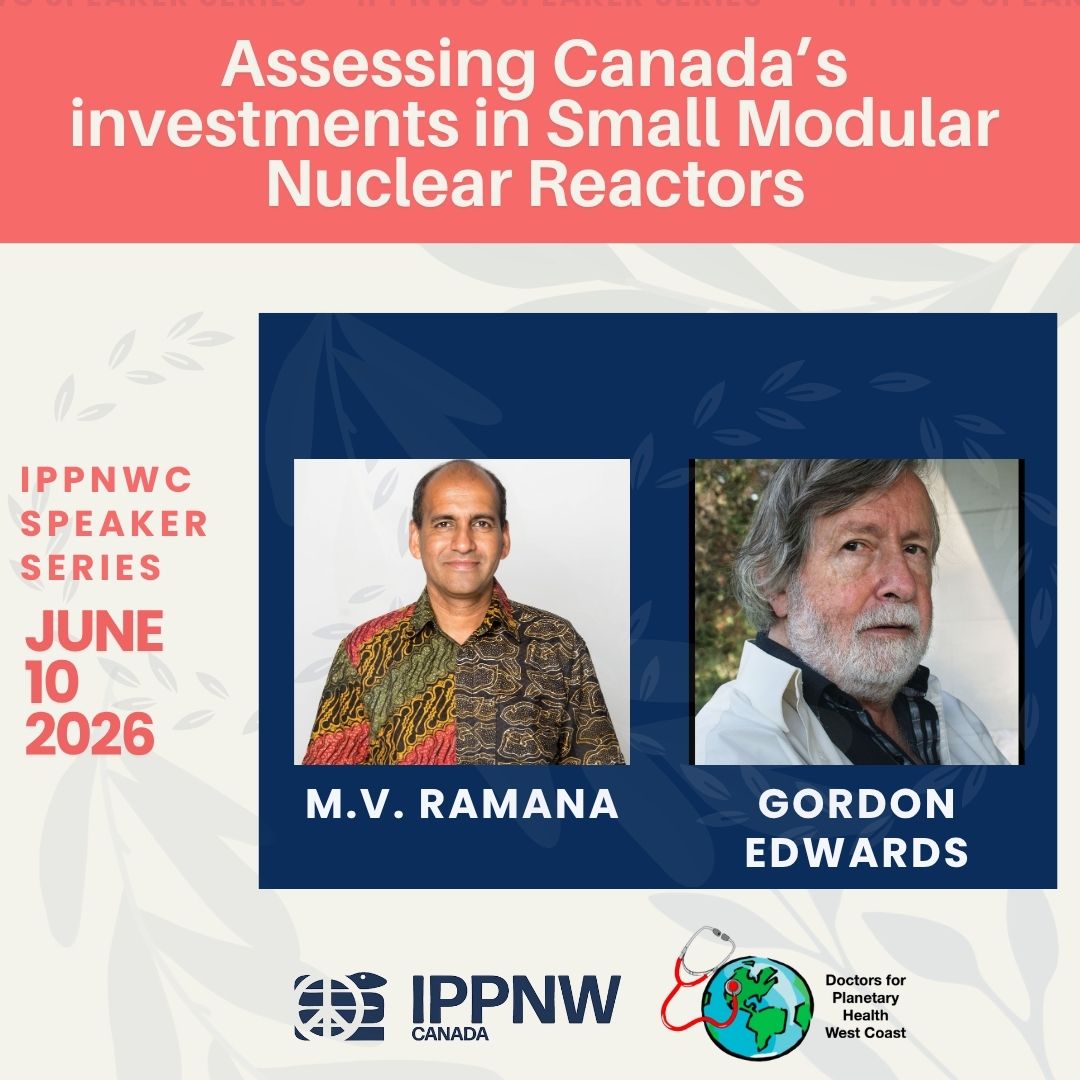
10 June – Assessing Canada’s Investments in Small Modular Nuclear Reactors – https://zoom.us/meeting/register/IiqHA5feRhaEBycOLNTJlA#/registration


Cuba Is Not a Failed State – It Is a Besieged State
PETITION: “Global Appeal to Endorse Palestinian Right of Return of Refugees”
To see nuclear-related stories in greater depth and intensity – go to https://nuclearinformation.wordpress.com
-
Archives
- June 2026 (89)
- May 2026 (306)
- April 2026 (356)
- March 2026 (251)
- February 2026 (268)
- January 2026 (308)
- December 2025 (358)
- November 2025 (359)
- October 2025 (376)
- September 2025 (257)
- August 2025 (319)
- July 2025 (230)
-
Categories
- 1
- 1 NUCLEAR ISSUES
- business and costs
- climate change
- culture and arts
- ENERGY
- environment
- health
- history
- indigenous issues
- Legal
- marketing of nuclear
- media
- opposition to nuclear
- PERSONAL STORIES
- politics
- politics international
- Religion and ethics
- safety
- secrets,lies and civil liberties
- spinbuster
- technology
- Uranium
- wastes
- weapons and war
- Women
- 2 WORLD
- ACTION
- AFRICA
- Atrocities
- AUSTRALIA
- Christina's notes
- Christina's themes
- culture and arts
- Events
- Fuk 2022
- Fuk 2023
- Fukushima 2017
- Fukushima 2018
- fukushima 2019
- Fukushima 2020
- Fukushima 2021
- general
- global warming
- Humour (God we need it)
- Nuclear
- RARE EARTHS
- Reference
- resources – print
- Resources -audiovicual
- Weekly Newsletter
- World
- World Nuclear
- YouTube
-
RSS
Entries RSS
Comments RSS
 nuclear-news