– NUCLEAR LIES – theme for January 2012
No industry can compare with nuclear for the lies and coverups. In the early 1940s the USA government perverted research into the medical uses of ionising radiation into a plan for radiation mass killing : the original aim of the atomic bomb was to kill people, and leave property undamaged. After World War 2, Germany’s Nazi scientists suddenly became respectable USA citizens, working on USA’s nuclear weapons.
From its murky past in weapons of mass murder, the nuclear industry emerged with its promiseof energy “too cheap to meter”. That was a lie, and the industry has been lying ever since. Unfortunately, as advertising has shown over the 20th Century, if you keep repeating a lie, people start to believe it.
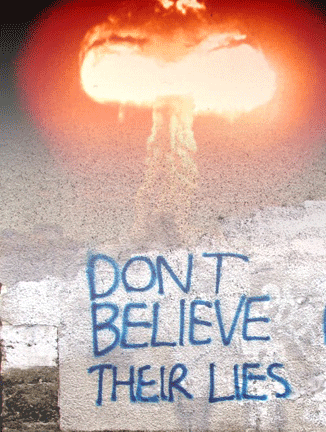
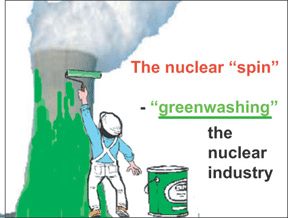
Image above from Nuclear Disaster- Don’t Believe Their Lies – Gaia Health http://www.gaia-health.com/articles401/000421-nuclear-disaster.shtml
A current nuclear lie is the “nuclear renaissance” – a rebirth of this outdated and failing industry.
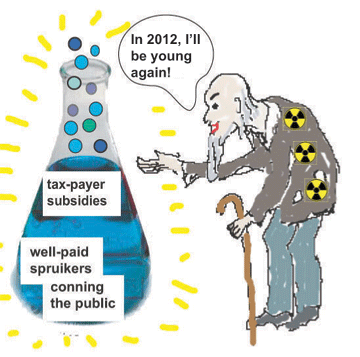
The nuclear lobby will actually USE the Fukushima nuclear disaster to promote nuclear power
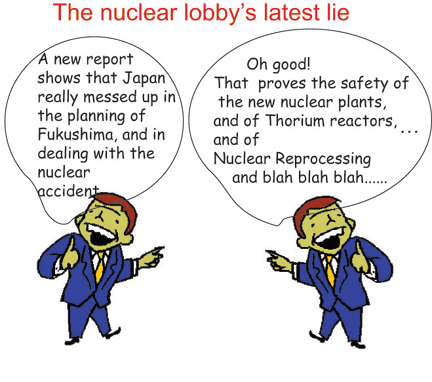
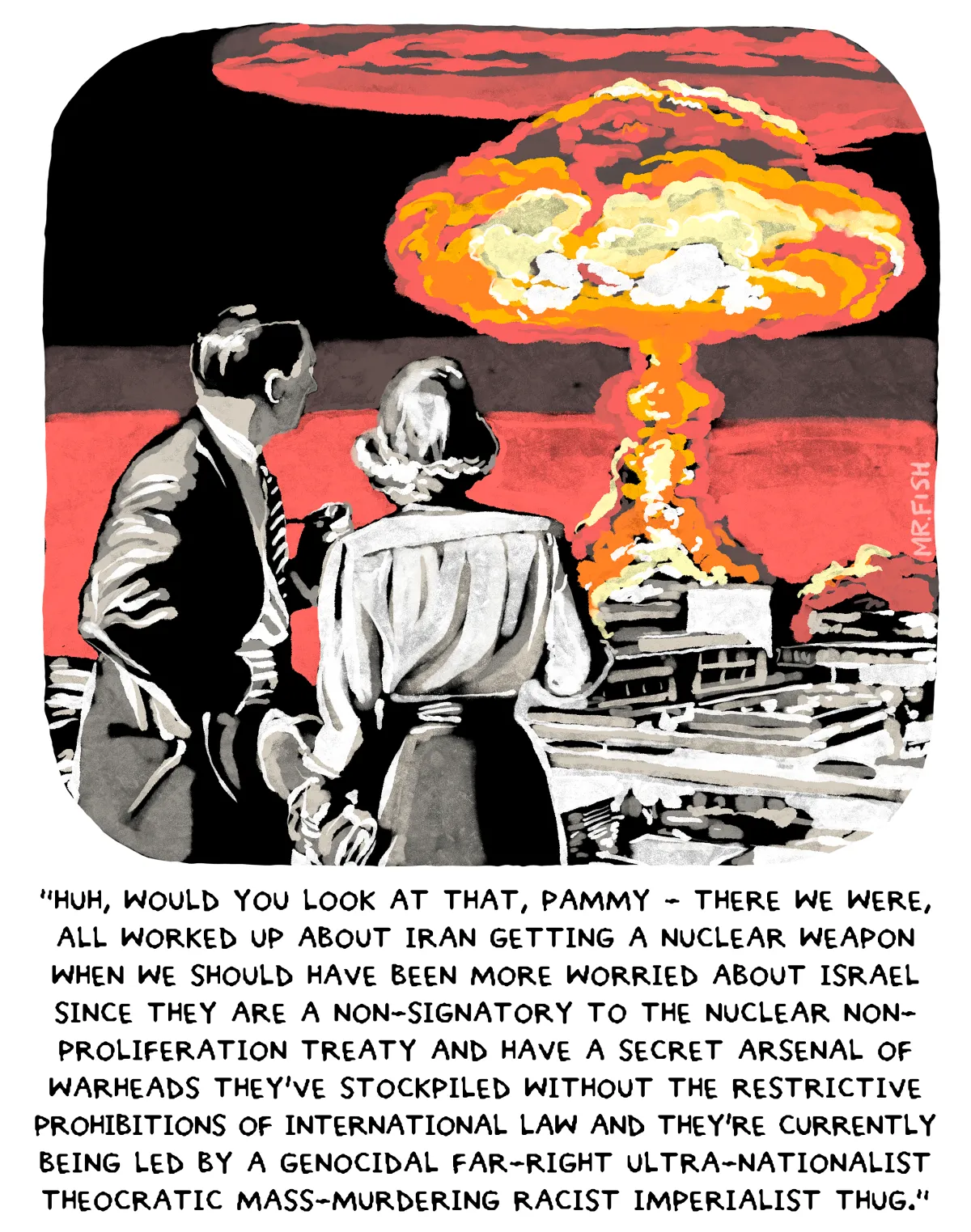
The nuclear lobby will actually USE the danger of nuclear weapons to promote nuclear power
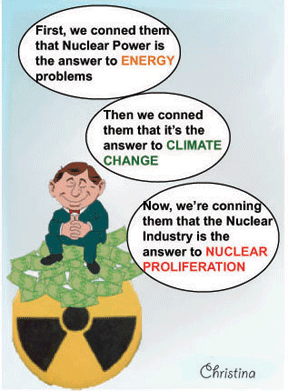
The nuclear lobby will pretend that nuclear power is clean, green, renewable, and combats climate change
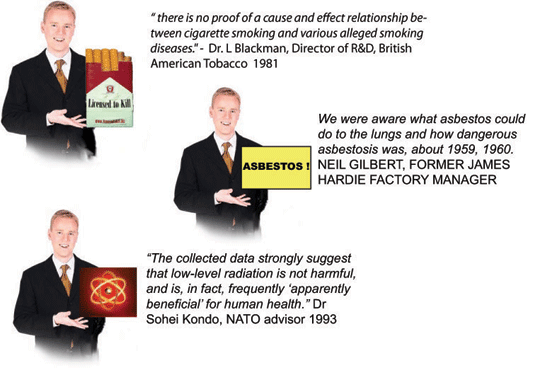
Like the tobacco and asbestos industries, the nuclear industry will ignore, dismiss, and lie about its role in causing cancer
1 Comment »
Leave a comment
1 This Month
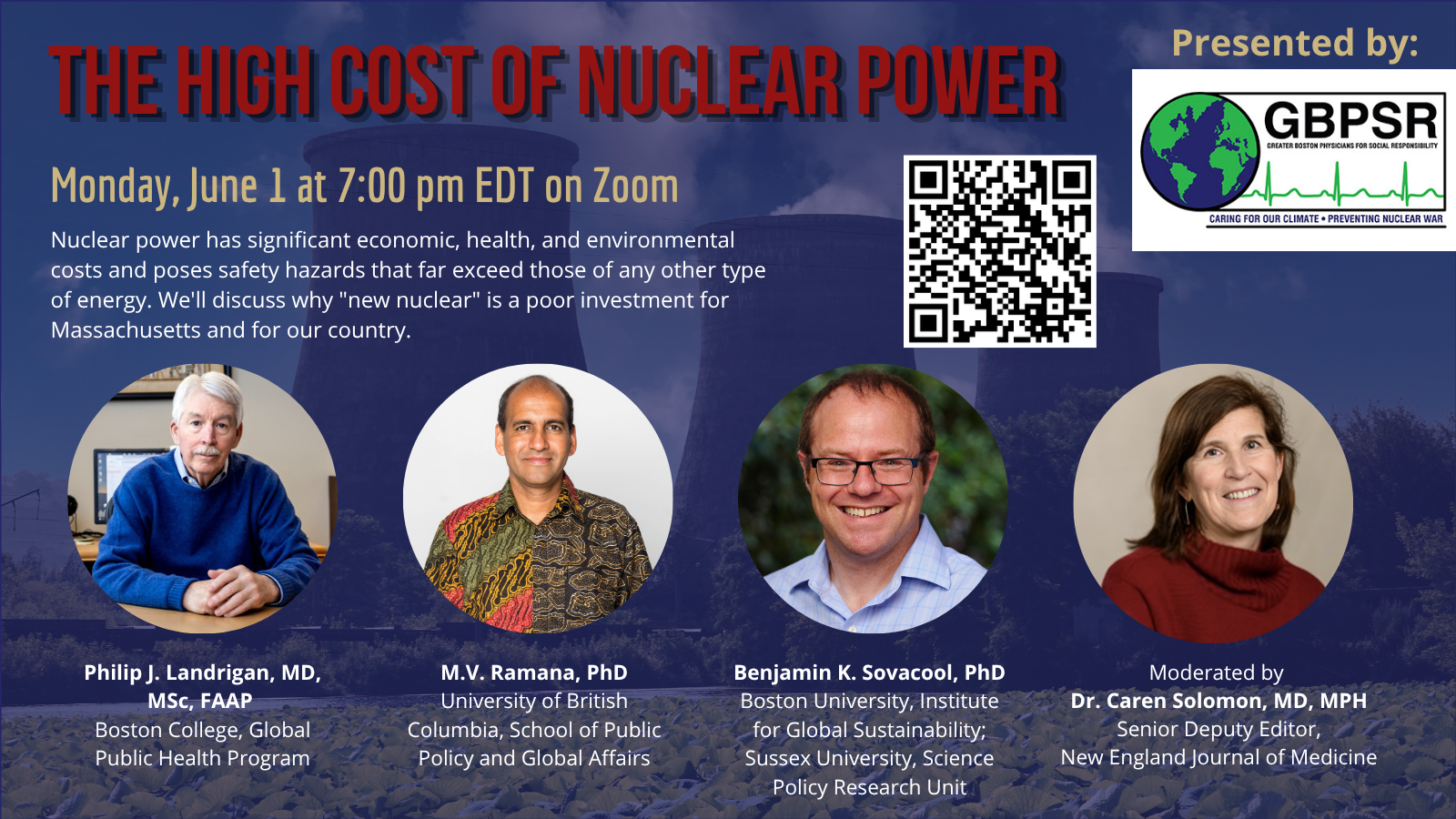
1 June Webinar – The High Cost of Nuclear Power – Register
6 June – WEBINAR- Get Inspired by Protests Against Military Bases!


Cuba Is Not a Failed State – It Is a Besieged State
PETITION: “Global Appeal to Endorse Palestinian Right of Return of Refugees”


of the week– Nuclear Reactor Information Task Force
To see nuclear-related stories in greater depth and intensity – go to https://nuclearinformation.wordpress.com
-
Archives
- June 2026 (19)
- May 2026 (306)
- April 2026 (356)
- March 2026 (251)
- February 2026 (268)
- January 2026 (308)
- December 2025 (358)
- November 2025 (359)
- October 2025 (376)
- September 2025 (257)
- August 2025 (319)
- July 2025 (230)
-
Categories
- 1
- 1 NUCLEAR ISSUES
- business and costs
- climate change
- culture and arts
- ENERGY
- environment
- health
- history
- indigenous issues
- Legal
- marketing of nuclear
- media
- opposition to nuclear
- PERSONAL STORIES
- politics
- politics international
- Religion and ethics
- safety
- secrets,lies and civil liberties
- spinbuster
- technology
- Uranium
- wastes
- weapons and war
- Women
- 2 WORLD
- ACTION
- AFRICA
- Atrocities
- AUSTRALIA
- Christina's notes
- Christina's themes
- culture and arts
- Events
- Fuk 2022
- Fuk 2023
- Fukushima 2017
- Fukushima 2018
- fukushima 2019
- Fukushima 2020
- Fukushima 2021
- general
- global warming
- Humour (God we need it)
- Nuclear
- RARE EARTHS
- Reference
- resources – print
- Resources -audiovicual
- Weekly Newsletter
- World
- World Nuclear
- YouTube
-
RSS
Entries RSS
Comments RSS
 nuclear-news
[…] image source ; https://nuclear-news.net/information/secrets-and-lies/nuclear-lies-theme-for-january-2012/ […]
Pingback by Critique of the RADICON Study (Canadian Nuclear lies) « nuclear-news | September 9, 2013 |